Loading...
Serving Somerton, AZ and surrounding areas. (928) 655-8478
Caliche soil, monsoon storms, and 110-degree summers demand fencing built for this land. We install perimeter and cross-fencing across agricultural properties throughout the Somerton area.
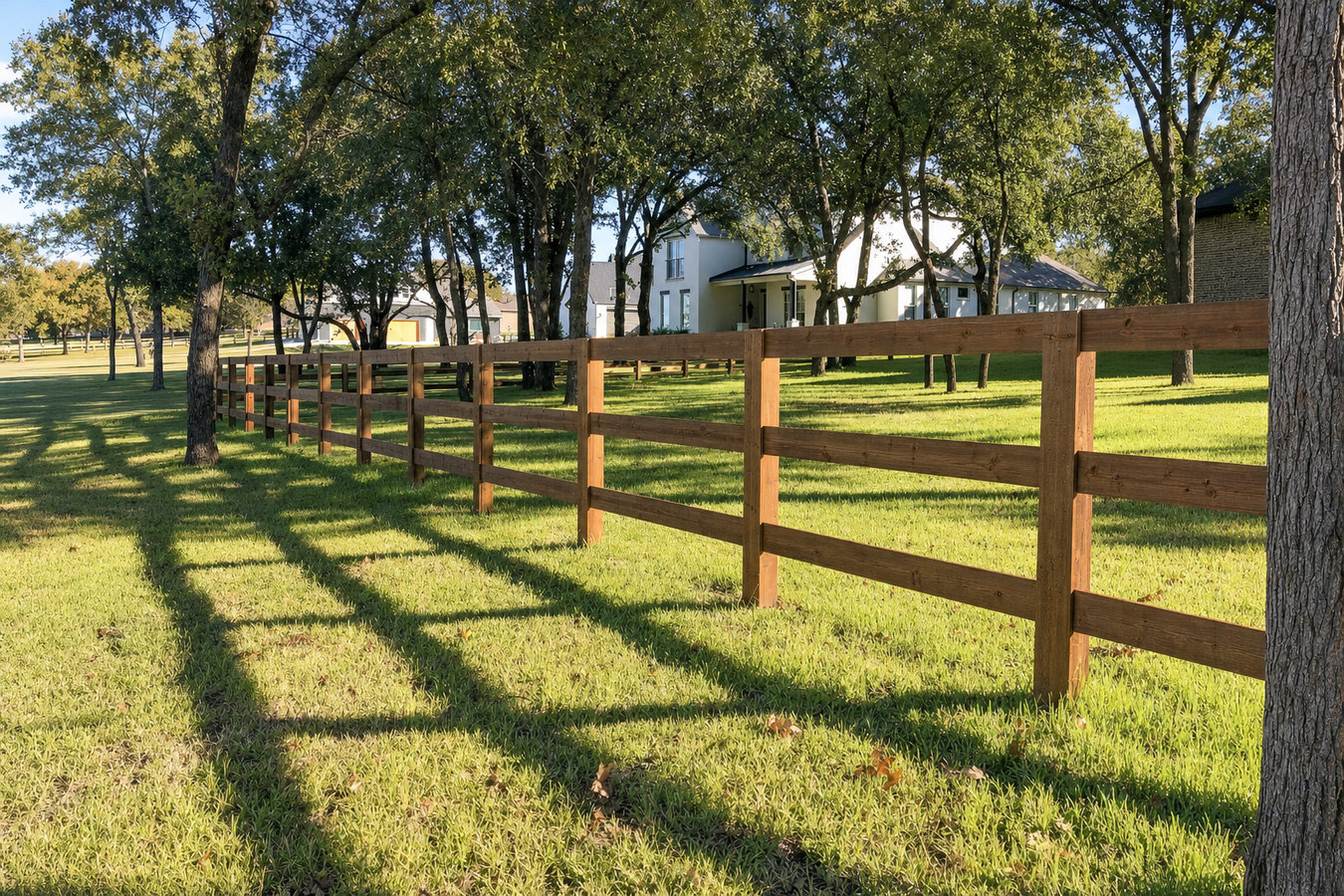
Farm and ranch fencing in Somerton, AZ covers everything from perimeter wire to interior cross-fencing and working pens, with most straightforward installations on flat land wrapping up in one to three days depending on property size and fence type.
Somerton sits in one of the most productive agricultural regions in the country, and many properties in the Yuma Valley have been working land for generations. The fencing challenges here are specific - caliche soil that stops post drivers, irrigation canals that need to be worked around, coyotes that test every weak section, and monsoon storms that stress posts and wire every summer. A contractor who has not worked in this area will not anticipate those problems before they become your repair bill. If your operation also needs containment for pets or dogs near the house, pet and dog fencing is a service we offer alongside our agricultural work, often on the same property.
If sections of wire hang loose, dip toward the ground, or have pulled free from the staples, your fence has lost the tension it needs. Livestock - especially cattle and horses - will test a loose fence and can push through it. This is one of the most common signs a fence needs repair or replacement.
After Somerton's summer storms, walk your perimeter and check whether any posts have shifted or leaned. Saturated soil combined with wind pressure can loosen posts that were not set deep enough to get through the caliche layer. A post that leans even slightly means the foundation of that section is compromised.
If an animal has gotten out - or a coyote has gotten in - your fence has already failed. Even if you cannot see an obvious gap, a single escape event is a strong signal that the fence line needs a thorough inspection. Coyotes are common in the Yuma Valley and will exploit any weak point.
Tumbleweeds, brush, and irrigation runoff pile against fence lines over time, holding moisture against posts and wire and accelerating rust and rot. If you see a thick layer of debris pressed against your fence that has not been cleared in a season or two, your fence may be deteriorating faster than it looks from a distance.
We install the full range of fence types used on agricultural properties in the Yuma Valley. Barbed wire perimeter fencing is the workhorse choice for cattle operations that need to cover a lot of ground at a manageable cost. High-tensile and woven wire fencing work better for horses, goats, and smaller animals that need a more solid barrier - the tighter weave and consistent tension keep them in without giving them a foothold to push through. For operators who want the most durable and long-lived option, galvanized steel pipe-and-rail fencing can outlast every other material in this climate and requires almost no annual maintenance once it is properly set. We also build working pens, corrals, and interior cross-fencing to divide pastures and improve your daily workflow. If access control at your gate is a priority, chain link fence installation is another option we offer for high-traffic entry points and working areas where you need a more solid barrier than wire alone.
Every farm and ranch job starts with a property walkthrough before we quote anything. We look at the terrain, check for irrigation canals and underground lines, and assess the soil conditions - particularly whether caliche is close to the surface. If you need containment for companion animals on the same property, pet and dog fencing can be planned and installed in the same project. The written estimate you receive will cover materials, labor, gate hardware, and any site-specific factors we find during the walkthrough.
Best for cattle operations and large acreage where covering ground efficiently matters more than a solid visual barrier.
Suits horse owners, hog operations, and anyone managing smaller animals that need a tighter, more secure barrier.
The top choice for homeowners who want maximum durability and minimal maintenance - galvanized steel lasts 40 years or more in desert conditions.
For operations that need functional working infrastructure alongside or as part of their perimeter fencing project.
The Yuma Valley presents challenges that contractors from other parts of the state often underestimate. Caliche - the hard, chalky soil layer common throughout this region - can sit just a foot or two below the surface and will stop an unprepared post driver cold. Posts that do not get through that layer will lean after the first monsoon season, and a leaning fence is a failed fence. The monsoon storms themselves are another factor: heavy rain, strong winds, and flash flooding stress every section of wire and every post anchor across the entire property. Properties near irrigation canals or with active drip systems add another layer of complexity - underground infrastructure that must be located and avoided before any post goes in. The University of Arizona Cooperative Extension provides research-based guidance on livestock fencing in the Southwest that is worth reviewing when you are evaluating fence types for your operation.
Somerton's proximity to the border also shapes the local fencing market. Many property owners in the area want fencing that serves a dual purpose - keeping livestock in and discouraging unauthorized entry - which means demand for heavier-gauge materials and more robust gate hardware is higher here than in most rural Arizona communities. We serve properties in Wellton and Gadsden where the same soil and climate conditions apply, and we bring the same standards to every project across the region.
We will ask how much land you are fencing, what animals you are managing, and whether any existing fence needs to be removed. You do not need all the answers ready - we will help you think through what you need. We reply within one business day.
We walk your land before quoting anything - we check the terrain, note irrigation canals and underground lines, and assess whether caliche is close to the surface. The written estimate you receive covers materials, labor, gate hardware, and any site-specific factors we find.
Before installation begins, move your animals away from the work area and ensure the crew has vehicle access along the fence line. If underground irrigation lines are near the fence route, we coordinate an Arizona 811 utility locate before any post goes in the ground.
Corner and gate posts are set first, then line posts, then wire stringing and tensioning. After installation, we walk the entire fence line with you - checking wire tension, gate swing, and corner post solidity before the crew packs up.
We walk your land before we quote anything. No phone estimates, no surprises - just an accurate number that reflects your actual property.
(928) 655-8478We carry the right equipment to break through the hard caliche layer common in the Yuma Valley and set posts at the depth they need to stay solid - especially for corner and gate posts that take the most stress. Contractors who are not prepared for caliche end up setting posts too shallow, which leads to leaning within a season or two.
Every farm and ranch estimate we provide comes after a property walkthrough, not a phone call. That means the number you get reflects your actual soil, your actual footage, and any site-specific factors - irrigation lines, low spots, caliche depth - that would change the price after the job starts.
We hold a current license through the Arizona Registrar of Contractors, which you can verify at roc.az.gov before you hire us. That license matters for any project that approaches the state's contractor threshold - it means we carry the required insurance and are accountable to the state if something goes wrong.
Somerton's agricultural land is crisscrossed with irrigation canals, lateral ditches, and underground water lines. We ask about that infrastructure before we quote and before we dig - because hitting an irrigation line is a costly mistake that can also affect neighboring properties.
Farm fencing in the Yuma Valley is not the same as fencing in the Phoenix suburbs, and we do not treat it that way. Every project we take on in this area reflects what we know about local soil, local weather, and the specific demands that come with agricultural land near the Colorado River.
Secure containment for dogs and smaller animals, often installed alongside agricultural fencing on the same property.
Learn MoreA solid, cost-effective option for working pens, entry points, and high-traffic areas on farm and ranch properties.
Learn MoreSummer fencing crews fill up fast in the Yuma Valley - call us now to schedule your property walkthrough and lock in your installation date.